Curriculum & Resources
About One Cool Earth Curriculum
All of our curriculum is aligned with the Next Generation Science Standards (NGSS), helping teachers seamlessly connect outdoor garden lessons with what students are learning in the classroom. Our programs emphasize project-based, experiential learning that brings science and sustainability to life. Each lesson is grounded in three core pillars: zero waste concepts, watershed stewardship, and nutritional literacy. We aim to empower students to explore real-world environmental solutions while deepening their understanding of core academic concepts.
More about our curriculum:
Grade-specific curriculum with activities - Our lesson plans are designed for specific age groups, either K-2 or 3-6. Each lesson plan has hands-on components which are age-appropriate.
Work booklets or "Garden Journals " - Each series has Garden Journals tailored to different age groups. These worksheets reinforce the concepts learned during the lesson and can be used as a classroom activity or a take-home activity to follow garden time.
Science framework - This document identifies which NGSS concepts are supported by listing performance expectations, environmental principles and concepts, science and engineering practices, crosscutting concepts, and disciplinary core ideas.
Spanish versions of our curriculum - Embedded within each lesson plan is a link to a fully translated curriculum. We also have our video lessons available in Spanish.
Explore Our Elementary School Curriculum
All of our lessons can be found in Spanish here:
We have our lessons in videos format here:
Series 1: From Soil To Oceans
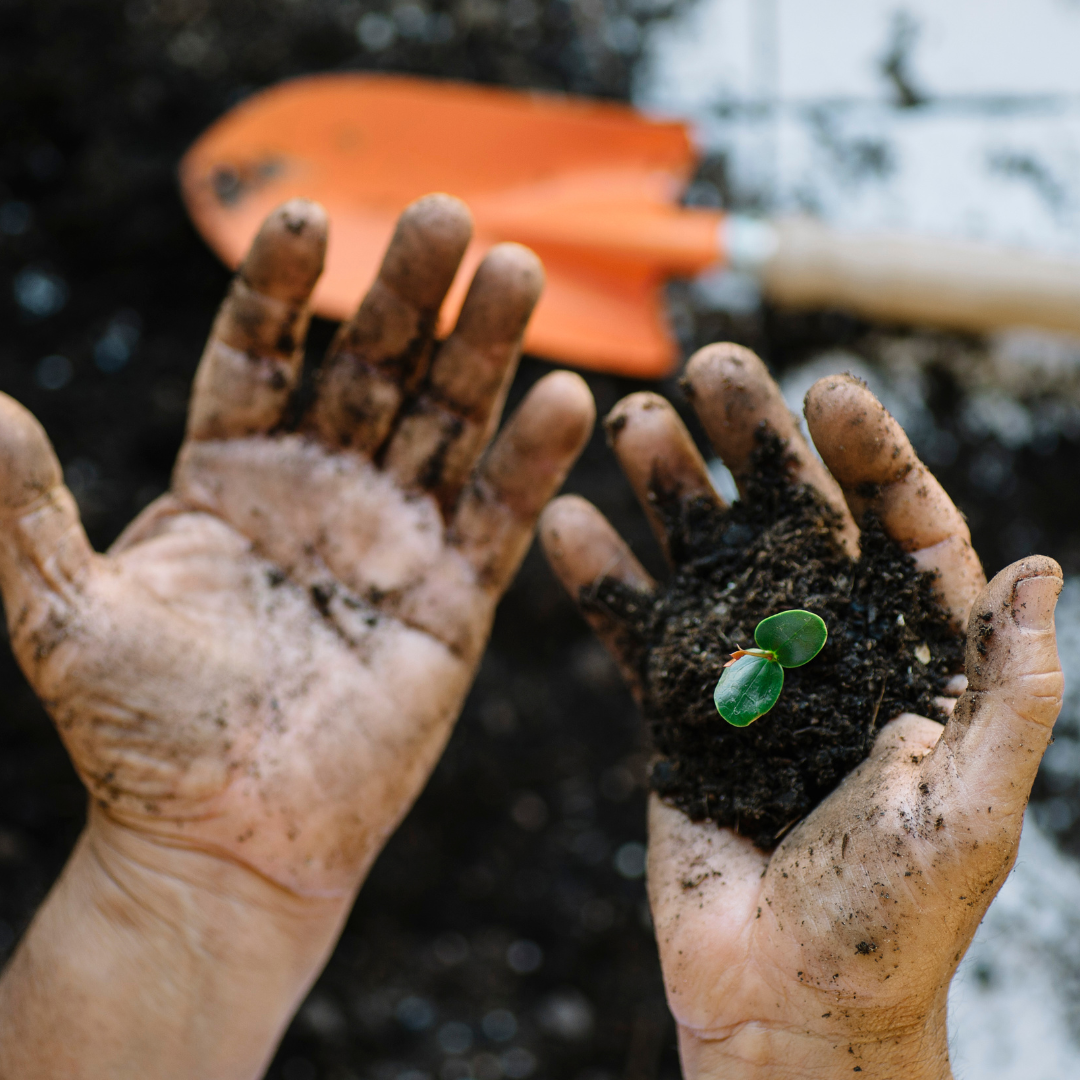
In this series, students will learn about the foundational components of soil and why healthy soil is necessary for healthy plants. They will also learn how soil and plants are affected by weather patterns. Finally, they will close the loop by understanding how pollution enters our bodies of water via wind and rain, and how we can prevent trash from entering our environment through intelligent waste management practices and composting.
Series 2: Food, Water, And Drought
In this series, students will learn about human development and impact. We will discuss specific effects humans have on the environment, and learn ways to mitigate such impacts. We will begin on a small scale to understand environmental concepts (greenhouses) and develop an understanding of big picture ideas (the greenhouse effect).
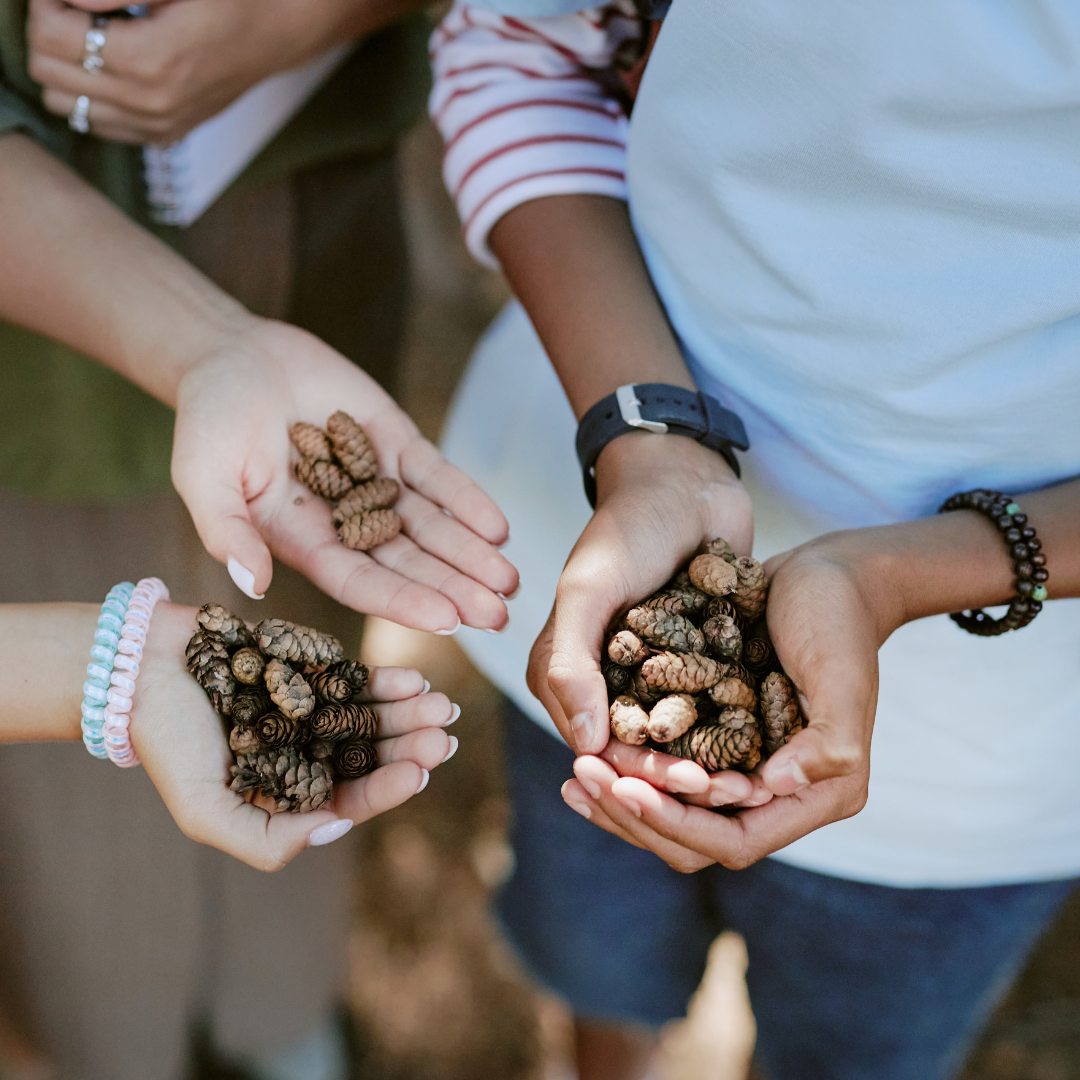
Series 3: From Seed To Table To Compost
In this series, students will learn about the requirements for healthy seed growth that ultimately results in healthy plants. They will understand the basics of seed and plant anatomy and determine how, when composted, decaying plant organic matter can supply nutrients for new growth.
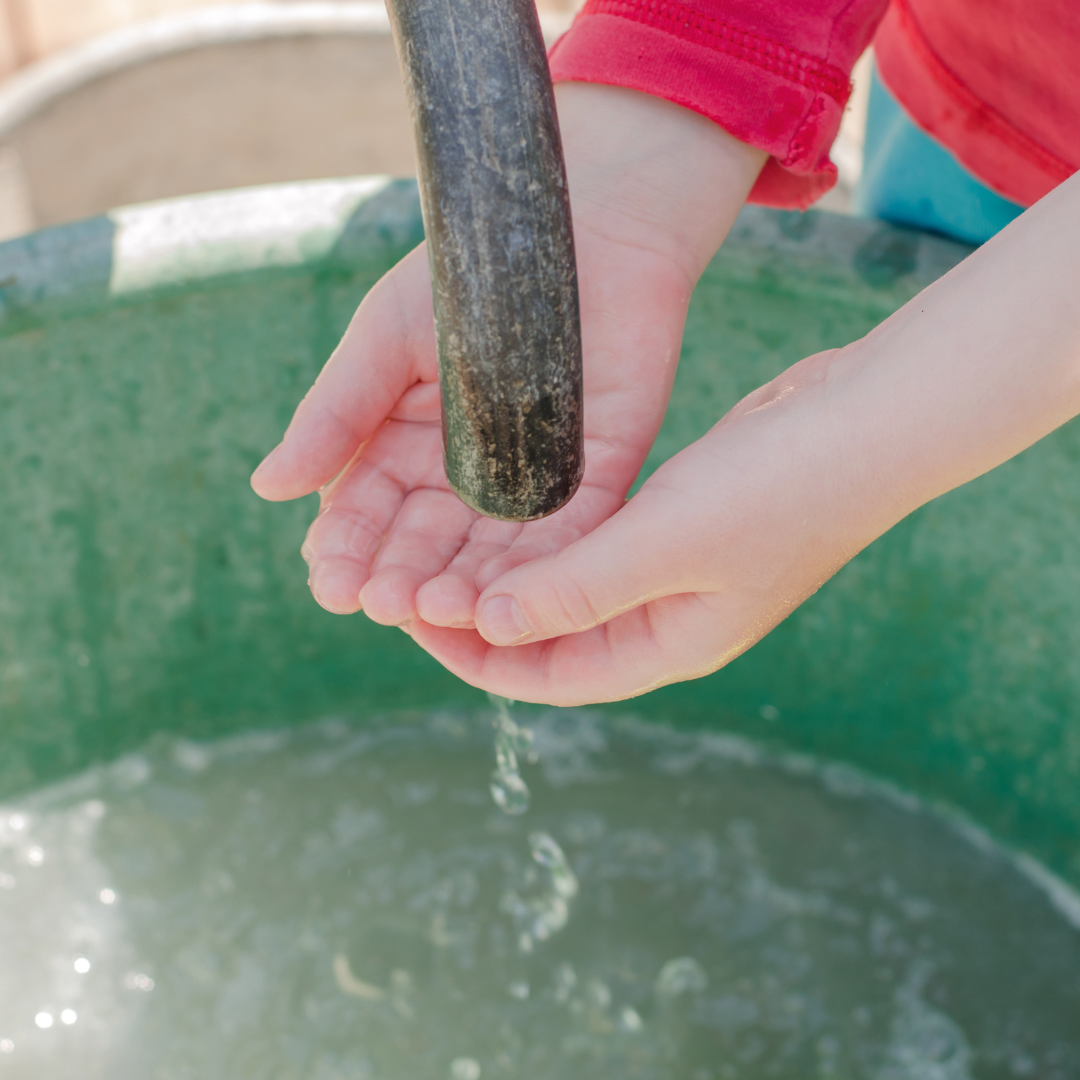
Series 4: Water In Our World: Garden, Food And Home
In this series, students will learn about ancient agriculture and how we have transported and stored water for food production. We will then determine the true cost of food production and follow the journey that a single piece of fruit must forgo in order to make it to our homes. Finally, students will learn about water conservation and how to implement such strategies in their own homes.
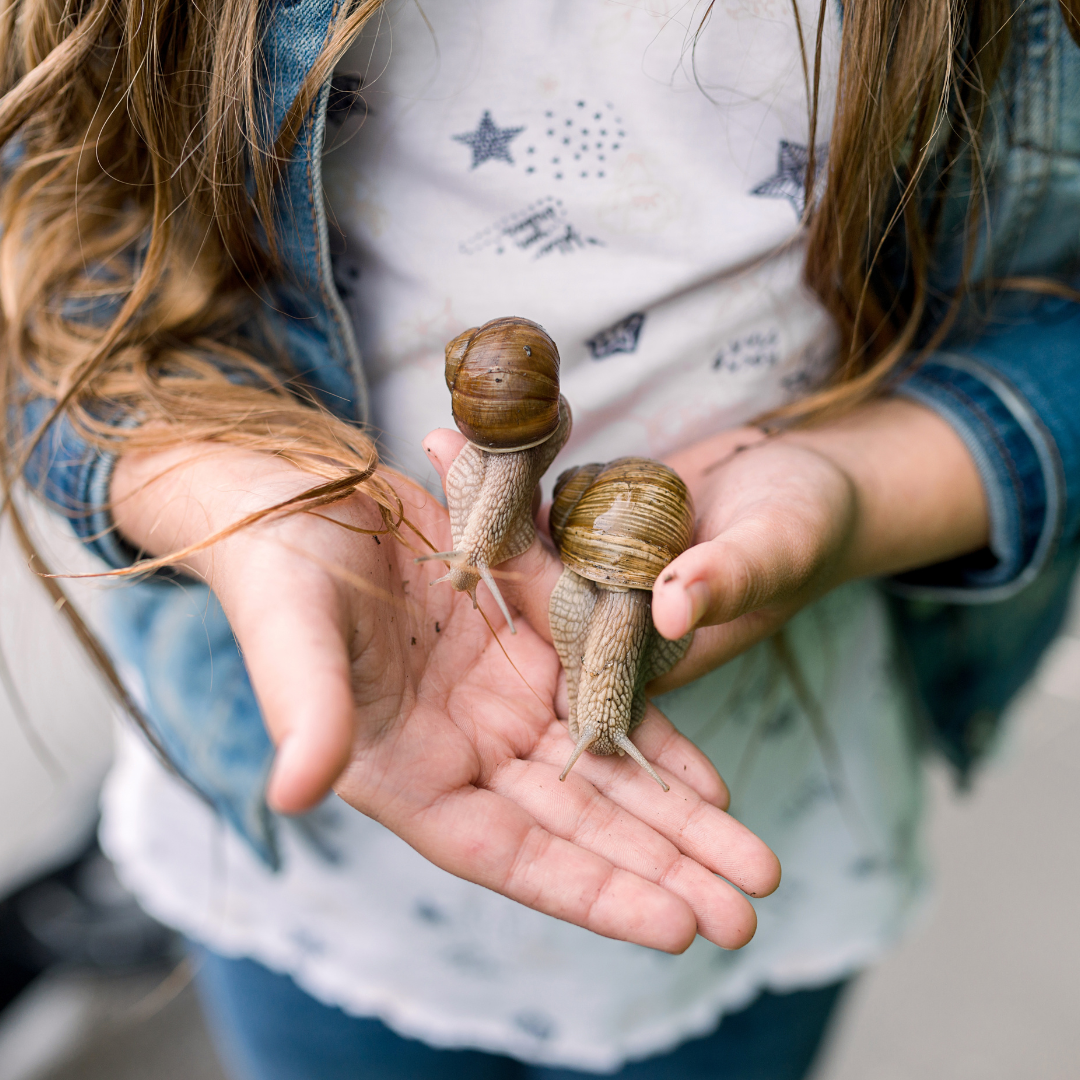
Series 5: Bugs, Humans, And Soil
In this series, students will learn about soil composition/formation and how soil serves as the building block for all life. They will then determine what makes an organism beneficial to plant and soil life, and what makes an organism a pest. Finally, students will learn about how healthy soil leads to healthy plants, which then lead to healthy bodies! We will point out the beneficial properties of fruits and vegetables and how their nutrients affect our bodies.
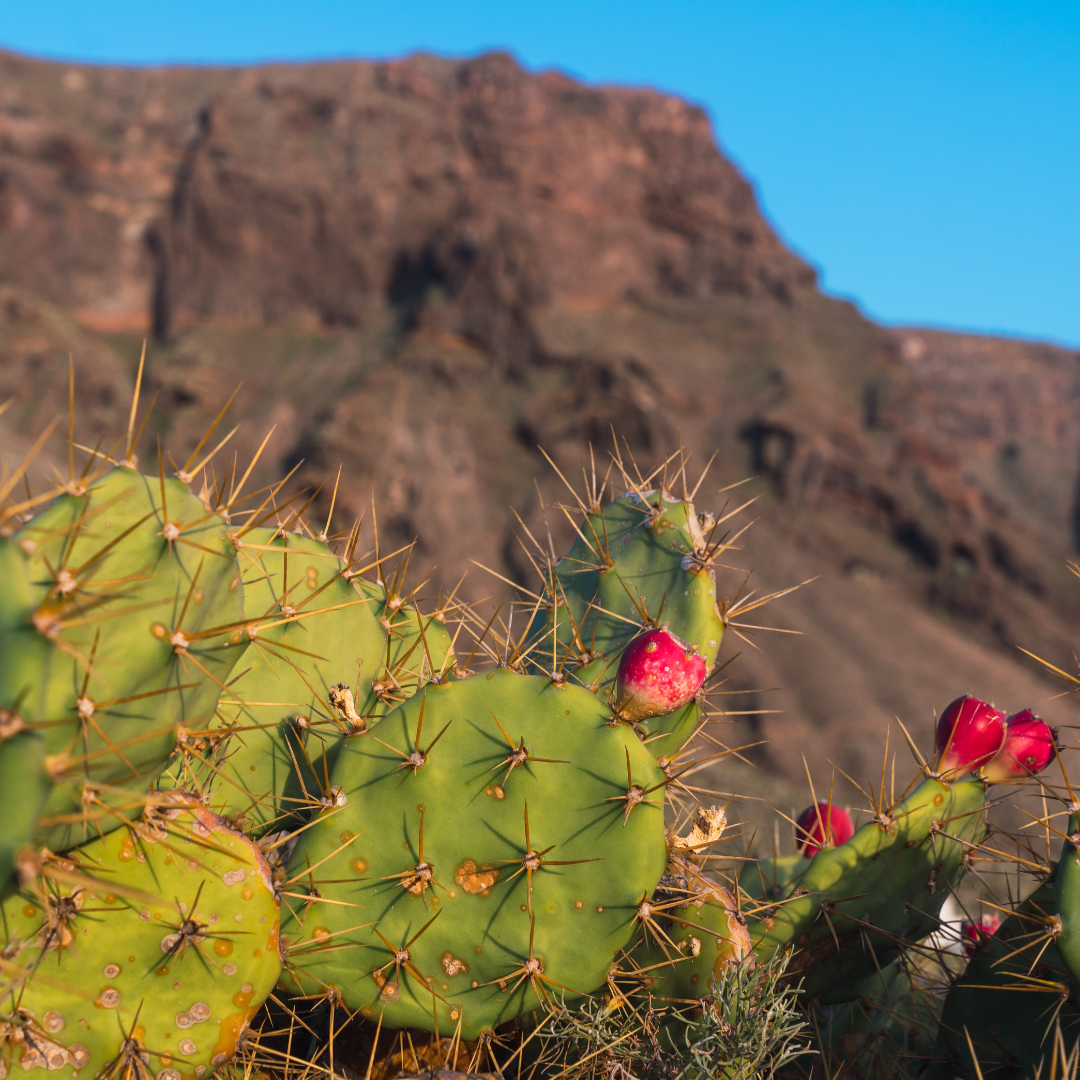
Series 6: Drought Tolerant Landscapes
In this series, students will learn about drought and how to measure it. They will discover which types of plants thrive in our climate and which are harmful to our ecosystems. Based on this knowledge, they will then learn about sustainable design that uses native plants and helps conserve water.
Series 7: From Water to Wildlife; How Watersheds Support Life
In this series, students will go over what a watershed is, how we live in one, and the importance of protecting it. Students will then investigate how energy is transferred throughout the food chain and what makes a habitat suitable for various species. They will close the loop by learning about how watersheds are the habitat for many living things.

Series 8: Different Climates, Different Habitats
In this series, students will learn about weather and climate and determine how those factors affect habitats. Students will discover how anatomy and function makes plants suitable for their environments, and how these plants symbiotically serve the needs of surrounding animals.
Middle School Curriculum: Sustainability Leadership Course
It is important to note that this Sustainability Leadership Course was created originally with the intention of facilitating these activities during a lunchtime session with middle school students. Therefore, some of these activities might be a bit limited in scope. They can be extended and expanded into a full class-length lesson as you see fit.
The lessons are built around the idea of a compass. The 4 directions on the compass, represent the 4 lesson series that students will need to complete. North will focus on Nature. East will focus on Economy. South will focus on Society, and West will focus on Wellness. Within each section there are three lessons.
One Cool Earth Program FAQ
-
If you need clarification on what tier is right for you, please reach out to action@onecoolearth.org, and we will help you make an informed decision.
-
Our One Cool Earth Curriculum is designed to support NGSS performance expectations and is centered around three themes: Zero Waste, Water Wise, and Food Forest. This means your Garden Educator will lead hands-on environmental and nutrition lessons, as well as nature-connection activities, all while meeting high academic standards.
-
All of our Garden Educators are fingerprinted, trained in social-emotional learning, and complete a Mandated Reporting Training and Food Handlers training. Additionally, we only hire the most qualified Educators with experience working with kids and managing gardens. They have in-depth training at the start of the year, plus monthly follow-up training sessions to reinforce expectations and deepen their expertise.
-
Teachers have the opportunity to participate in Teacher Trainings led by One Cool Earth. They can reach out to the Garden Educator anytime, and they have access to a large database of lesson plans, video lessons, resource guides, and more on our website.
-
We believe that our program creates a culture of environmental literacy and stewardship at our partner schools, especially when there is the addition of a Green Team on campus and teachers are well-trained on how to use our resources for their own lessons. The campus and its systems are a tool to address food, water and waste as a whole community!
-
Some supplies will be provided within the cost of the program to ensure beautiful and bountiful gardens, but we always encourage the PTA/Os to pitch in for extra projects that might be more costly like construction of a rain capture system or expansion of the garden. Depending on the size of the garden, we recommend the PTA/O gives $250 - $1000 for supplemental supplies.
-
Glad you asked! We have many items that can be purchased as additional opportunities for your school. These include Family Cooking Nights, Field Trips and more. We also have extensive online resources that can be accessed for free.
-
Luckily, as a non-profit organization, we are able to help schools and districts take advantage of many available grants and sponsorship opportunities. We are happy to discuss funding opportunities that may support the sustainability of our partnership if needed.